-
Essential:
Essential cookies are essential for you to browse the website and use its features. Cookies that allow web shops to hold your items in your cart while you are shopping online and navigating the website are an example of strictly necessary cookies. Our website does not work without these cookies, so they are stored without your express consent.
-
Preferences cookies:
Preferences cookies can be used to change the user experience of our website. Preferences cookies allow a website to remember choices you have made in the past.
-
Statistics cookies:
Statistics cookies are used to collect information about how you use our website. None of this information can be used to identify you.
-
Marketing cookies:
Marketing cookies track your online activity. The purpose of marketing cookies is to help advertisers deliver more relevant advertising or to limit how many times you see an ad.


Racism can be direct and loud, but also underlying and quiet
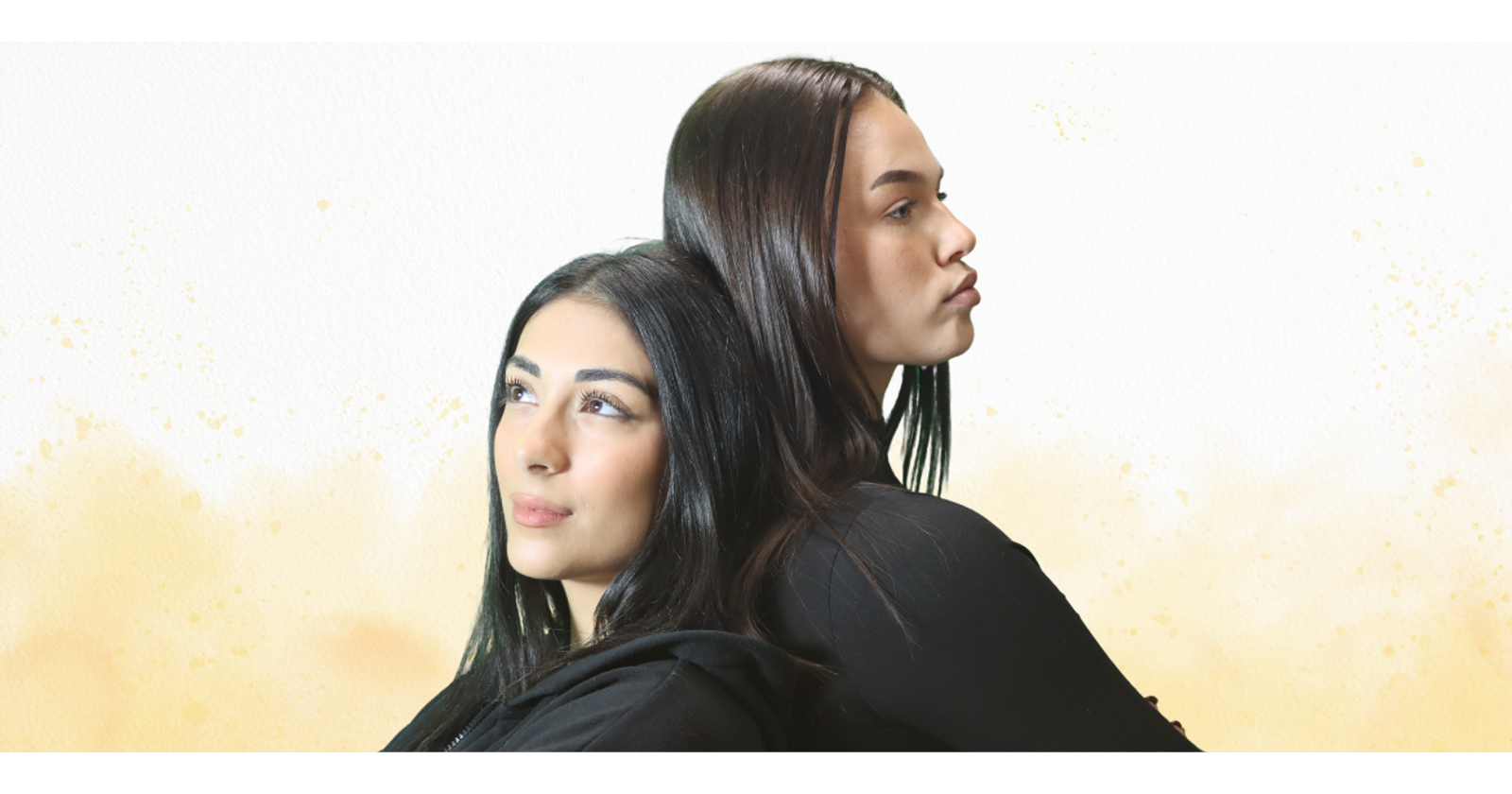
In 2012 I got Finnish citizenship and thought I finally get to be Finnish now. Before that I didn’t even know exactly what country I’m from. Finding my identity with a Kurdish background hasn’t been easy. My parents often reminded me to work hard and not believe others on whether I’m enough or not.
The sad thing is that many recognize these sentences simply because they aren’t “Finnish” in Finland. Although I got my citizenship, nothing really changed. People still behaved the same towards me. The weird looks, comments, and discrimination continued. That’s too much for a young girl who’s trying to find herself and her place in society.
Experiencing racism still causes conflicting emotions: it makes me laugh and it makes me angry at the same time. It’s really hard to put into words. I know that I’m lucky in many aspects because of my family. I’ve gotten to integrate well in Finland, but being born in Finland doesn’t automatically mean that you learn or understand the culture. My story doesn’t even begin with a traditional childhood, but from a reception centre.
I speak Finnish and feel at least partly Finnish, but my appearance doesn’t show that I was born and raised here. When people speak ill about people with an immigrant background, I often hear “oh I don’t mean you Helin, you’re different”. I still wonder how someone could say “did you buy these things with my parents’ tax money”. I’ve never understood those who don’t see others as people, and instead categorize them into groups based on appearance or religious views.
Racism isn’t always direct or loud. Sometimes it’s quiet, underlying, or hard to recognize. During upper secondary school, I went to enroll in the matriculation examination for advanced level mathematics, I was given a new paper and advice to enroll in basic level exams instead. I asked why, because I’d only studied advanced level courses, and the answer was that I probably wouldn’t do well in the advanced exam. This puzzled me for a long time. Was I really stupid or where was this coming from? I asked my friends if they had experienced something similar, but the answer was always no.
In many ways, the world has become better at working against racism, but we still have a lot to do. We shouldn’t normalize racist speech, whether it’s coming from someone close to us or other people. I’ve noticed that when outsiders aren’t listening, friends will often tell really racist jokes. If you don’t speak up about it, you are part of the problem. That’s why I encourage everyone to summon the courage to speak up against racism. My safest childhood memories are about the friends who stood up for me when I experienced racism.
Tomorrow 21 March is the International Day for the Elimination of Racial Discrimination established by the United Nations. I want to challenge you to consider how you could intervene when encountering racism. This text is just a short account of my story, because it’s impossible to summarize 24 years in one text. I hope it has awakened understanding about how racism can feel. Racism is never acceptable, we need everyone every day to finally eradicate it.
Thank you.
Helin Karatag
Board member, internationality
Photograph: Lotta Naumanen








© 2025 The Student Union of the University of Vaasa / Website atFlow Oy